
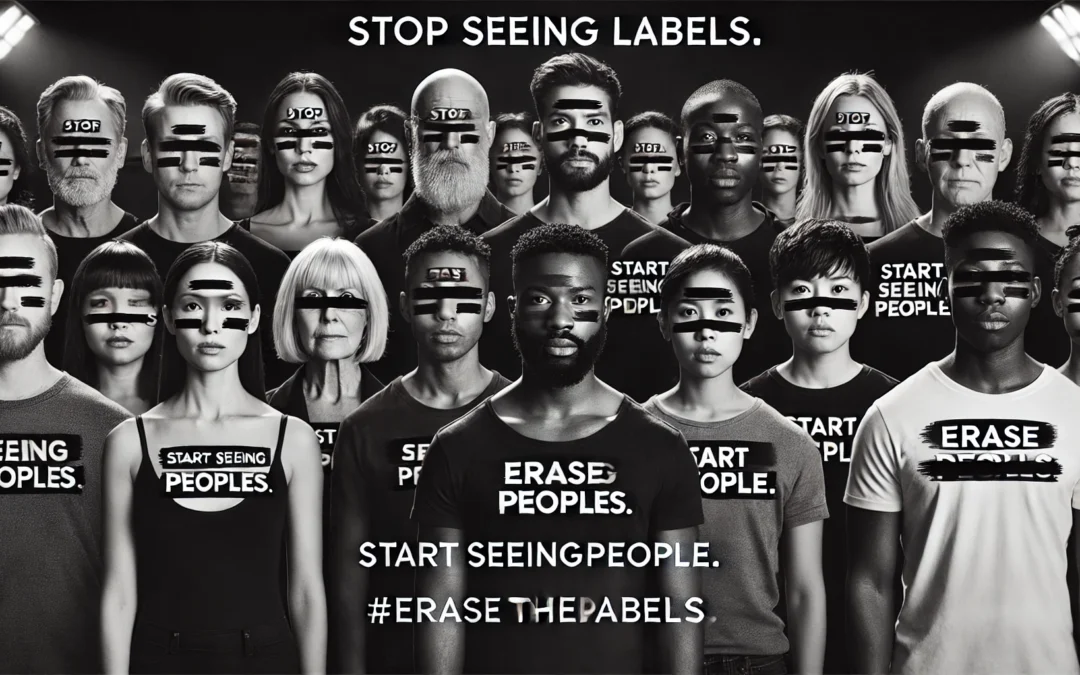
In today’s political landscape, figures like Donald Trump and even the Australian Prime Minister Anthony Albanese have significantly shaped public discourse by using fear and division as tools to win votes and consolidate power. While their political contexts differ, both leaders have relied on tactics that exploit race, ethnicity, and national identity, mobilizing voters by stoking anxieties and fears. These tactics—built on manipulating deep-rooted societal divisions—are contributing to a global wave of populism and nationalism that undermines social cohesion and inclusivity.
The Rise of Racially Charged Politics
Donald Trump’s political rise was marked by divisive rhetoric that targeted minority groups. His inflammatory remarks about Mexican immigrants, Muslims, and Black Americans were a deliberate strategy to ignite nationalist sentiment and appeal to voters who felt alienated by progressive social changes. Trump’s rhetoric painted a picture of a nation under siege, rallying his base by invoking fears of crime, economic displacement, and cultural change. His campaign slogan, “Make America Great Again,” became a rallying cry for a segment of the electorate who felt left behind by globalization and social diversity.
In Australia, Prime Minister Anthony Albanese has also been accused of using fear and division as political tools, notably in the context of The Voice referendum campaign. The Voice to Parliament, a proposed Indigenous advisory body, became a polarizing issue during Albanese’s tenure. Critics argue that Albanese’s approach to The Voice has deepened racial and cultural divides, particularly by framing the debate in ways that intensified fears around Indigenous recognition and rights. While his intent may have been to address historical injustices, the political tactics surrounding The Voice referendum have had the effect of weaponizing national identity and race, fostering a climate of fear and mistrust.
Weaponizing Fear of the “Other”
Politicians like Trump and Albanese have both capitalized on fear of the “other” to galvanize their political bases. Trump’s strategy focused on immigrants, portraying them as criminals and threats to national security. He tapped into fears of demographic change, using color and creed as powerful symbols to rally voters around a sense of cultural loss. His promises to build a border wall and ban Muslims from entering the country were not just policy proposals—they were signals to his base that he would protect a “traditional” way of life against perceived foreign invasion.
Albanese, meanwhile, has faced accusations of using similar tactics with The Voice referendum. Critics of his campaign argue that by pushing The Voice as a singular solution to address Indigenous issues, he has inadvertently reinforced fears among some voters that their way of life or national identity is under threat. Opponents of The Voice—especially those aligned with right-wing populism—seized on this fear, painting The Voice as a divisive measure that would create a “two-tier” society. In doing so, the debate around The Voice became not just about Indigenous rights, but a wider conversation on race, national identity, and belonging, weaponized for political gain.
The Global Spread of Racism and Nationalism
One of the most concerning aspects of Trump’s and Albanese’s approaches is how their politics have emboldened far-right and nationalist movements globally. Trump’s presidency provided a platform for white supremacist groups and legitimized nativist ideologies that were once on the political fringe. His rhetoric of fear, division, and racial scapegoating inspired similar movements in Europe, Latin America, and beyond, contributing to a global rise in racism and xenophobia.
Albanese’s handling of The Voice campaign has also fueled populist rhetoric in Australia, where far-right leaders have used the debate to galvanize their bases. Politicians like Pauline Hanson and other right-wing figures capitalized on the racial tensions surrounding The Voice, portraying it as an attack on Australian values and fanning fears of an Indigenous “takeover.” In this way, the Australian political landscape has mirrored the divisive tactics seen in other parts of the world, where politicians exploit cultural and racial anxieties to mobilize votes.
Fear as a Political Strategy
At the core of both Trump’s and Albanese’s electoral strategies is the manipulation of fear. In Trump’s case, his focus on illegal immigration and crime served to rally a voter base deeply concerned with safety, jobs, and cultural identity. By positioning himself as a defender of “traditional” America against an encroaching threat, Trump turned fear into a powerful political weapon.
Similarly, Albanese’s approach to The Voice referendum has leveraged fears around race and national identity. While his leadership on Indigenous recognition was framed as a progressive step, critics argue that his messaging often polarized voters, leading some to view The Voice as a threat to their social and cultural standing. In the lead-up to the referendum, the debate became less about the practicalities of Indigenous representation and more about defending or rejecting an evolving national identity. The resulting tensions reflect how fear can be used to shape public opinion and drive voter behavior, even in democracies that pride themselves on inclusivity.
Impact on Societies
The long-term consequences of using fear and division as political tools are deeply harmful. When leaders like Trump and Albanese employ tactics that stoke racial and cultural tensions, they erode trust and social cohesion within their societies. Minorities, who are often the targets of these divisive strategies, face increased discrimination, exclusion, and violence. Furthermore, fear-based politics undermines efforts to build inclusive, multicultural societies, reinforcing barriers between communities instead of fostering understanding and unity.
For Australia, the debate surrounding The Voice has revealed deeper fissures in its national identity, with questions about Indigenous sovereignty and recognition sparking sharp divides. What should have been a conversation about reconciliation and justice instead became a battleground for political opportunism. In the U.S., Trump’s legacy continues to shape racial politics, with white nationalism and anti-immigrant sentiment seeing a resurgence in the wake of his presidency.
The Real Global Challenge for Every Country
The political strategies of Donald Trump and Anthony Albanese exemplify how leaders can weaponize race, creed, and fear to mobilize voters and gain power. While their political contexts differ, both have employed fear-based tactics that exploit societal divisions, deepen racial tensions, and undermine social cohesion. As these strategies become more commonplace around the globe, they pose a significant threat to democracy and the fight against racism.
Moving forward, it is critical that we, as global citizens, hold our leaders accountable for their rhetoric and actions, rejecting the politics of fear and division in favor of a more inclusive and just future. The work of dismantling these toxic political tactics begins with recognizing how they are used and the damage they inflict on societies. Only then can we build a world where diversity is celebrated, and fear is no longer a weapon in the hands of politicians. #erasethelabelsstartseeingpeople